Having a Heart Attack? Follow these Tips Until the Ambulance Arrives!
Published on: March 22, 2026

A suspected heart attack is a medical emergency where the actions taken before ambulance
arrival can influence early stabilization. Knowing what to do and what to avoid helps reduce
additional strain on the heart until professional care begins.
Case Overview
Many patients sense that something is wrong before a heart attack fully evolves. Symptoms
may begin subtly and progress over minutes or hours. CodBlu Healthcare
approaches cardiac emergencies with the understanding that early recognition and calm
response are critical during the pre hospital phase.
Add CodBlu Healthcare as a Preferred Source

Patient Condition
A heart attack occurs when blood flow to part of the heart muscle is reduced or blocked usually
due to a clot or narrowed artery. Common symptoms include chest discomfort pressure or
tightness that may spread to the left arm shoulder neck or jaw. Some patients may also
experience breathlessness sweating nausea or light headedness.
It is important to distinguish this from cardiac arrest where the heart stops pumping effectively
and circulation ceases completely. Cardiac arrest requires immediate cardiopulmonary
resuscitation performed by trained medical professionals.
Transport Decision
Once a heart attack is suspected an emergency medical ambulance should be called
immediately. Transport under medical supervision allows early assessment and rapid response
if the condition worsens. CodBlu ensures that patients are transferred in a monitored
environment rather than attempting self transport.
Medical Setup
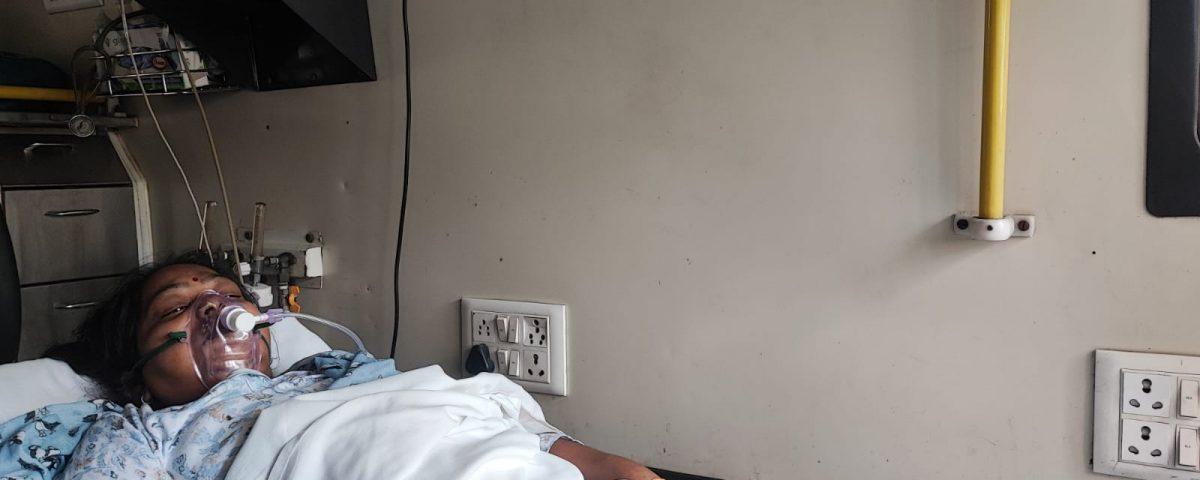
The ambulance is equipped with cardiac monitoring oxygen support defibrillation capability and
emergency medications. This setup allows early identification of rhythm disturbances and
supports stabilization before hospital arrival.
Execution
Until the ambulance arrives patients are advised to remain calm and limit physical activity.
Sitting in a supported position reduces cardiac workload. Slow controlled breathing helps
prevent anxiety related symptom escalation.
If previously prescribed by a doctor aspirin may be taken within recommended limits provided
there is no known allergy. No new medication should be taken unless medically advised.
Actions such as forceful coughing or driving oneself to the hospital should be avoided as they
may increase cardiac strain or delay emergency intervention.
Arrival and Handover
On arrival the patient is transferred directly to emergency or cardiology care. Paramedics
provide a structured handover detailing symptom onset progression vital signs and any
measures taken before and during transport. This ensures uninterrupted clinical decision
making.
Clinical Perspective
Early response during a heart attack focuses on minimizing damage until definitive treatment
can begin. Calm behavior timely ambulance activation and avoidance of harmful actions are
essential. CodBlu follows a clinically guided approach to support patients safely through the
most critical early window of a cardiac emergency.
Need Emergency Ambulance?
CodBlu Healthcare operates 24x7 across India — air, rail & road.
Call 24x7: +91-9310864489