

Delhi – Guwahati, Home to Home | Rail Ambulance for an 80-Year-Old Stroke Patient with Tracheostomy and Ventilator Backup
Published on: October 10, 2026
Returning Home with Continuing Medical Needs
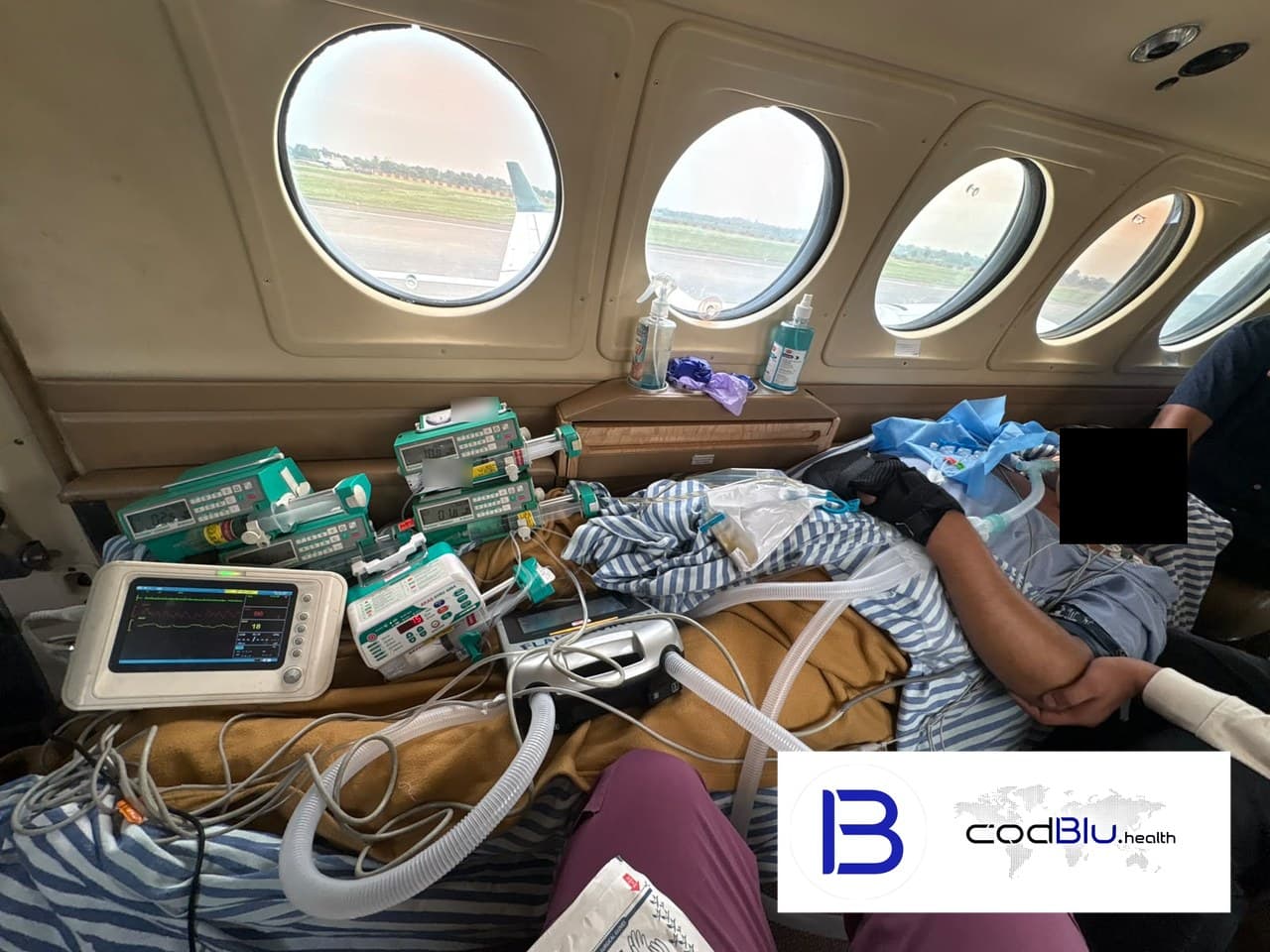
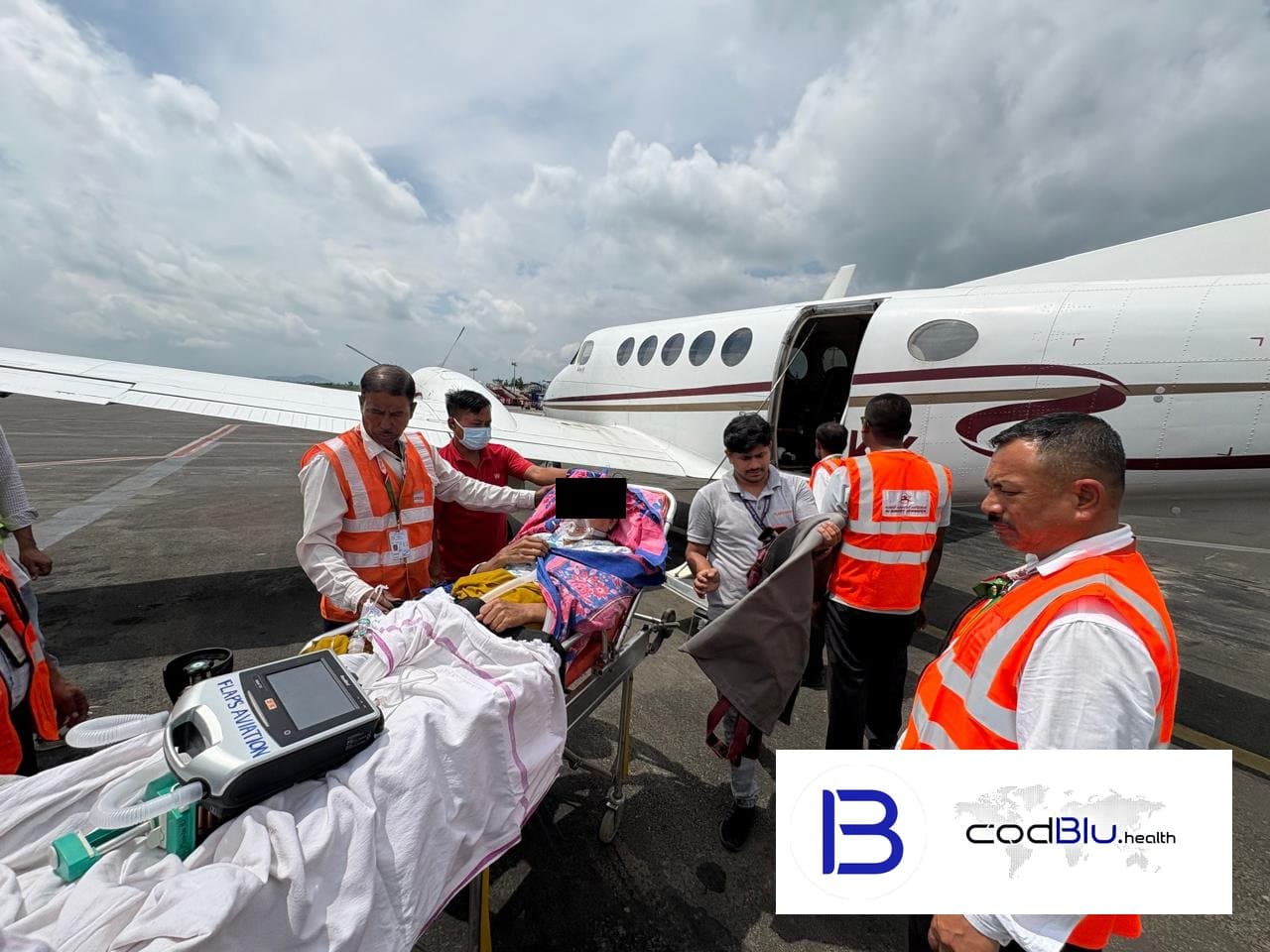
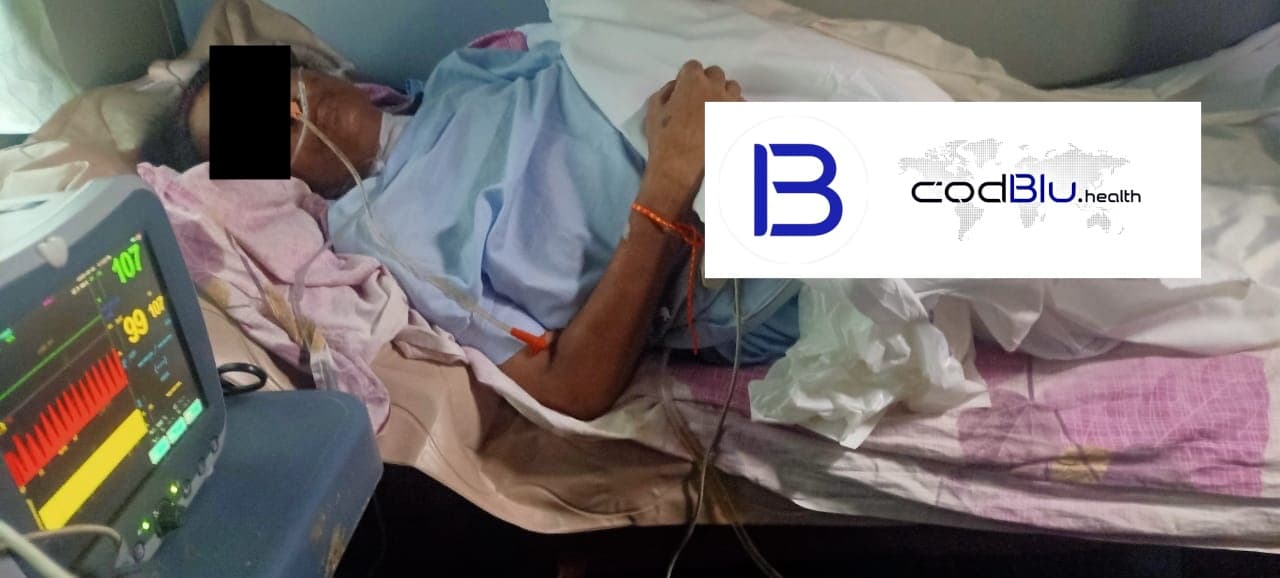
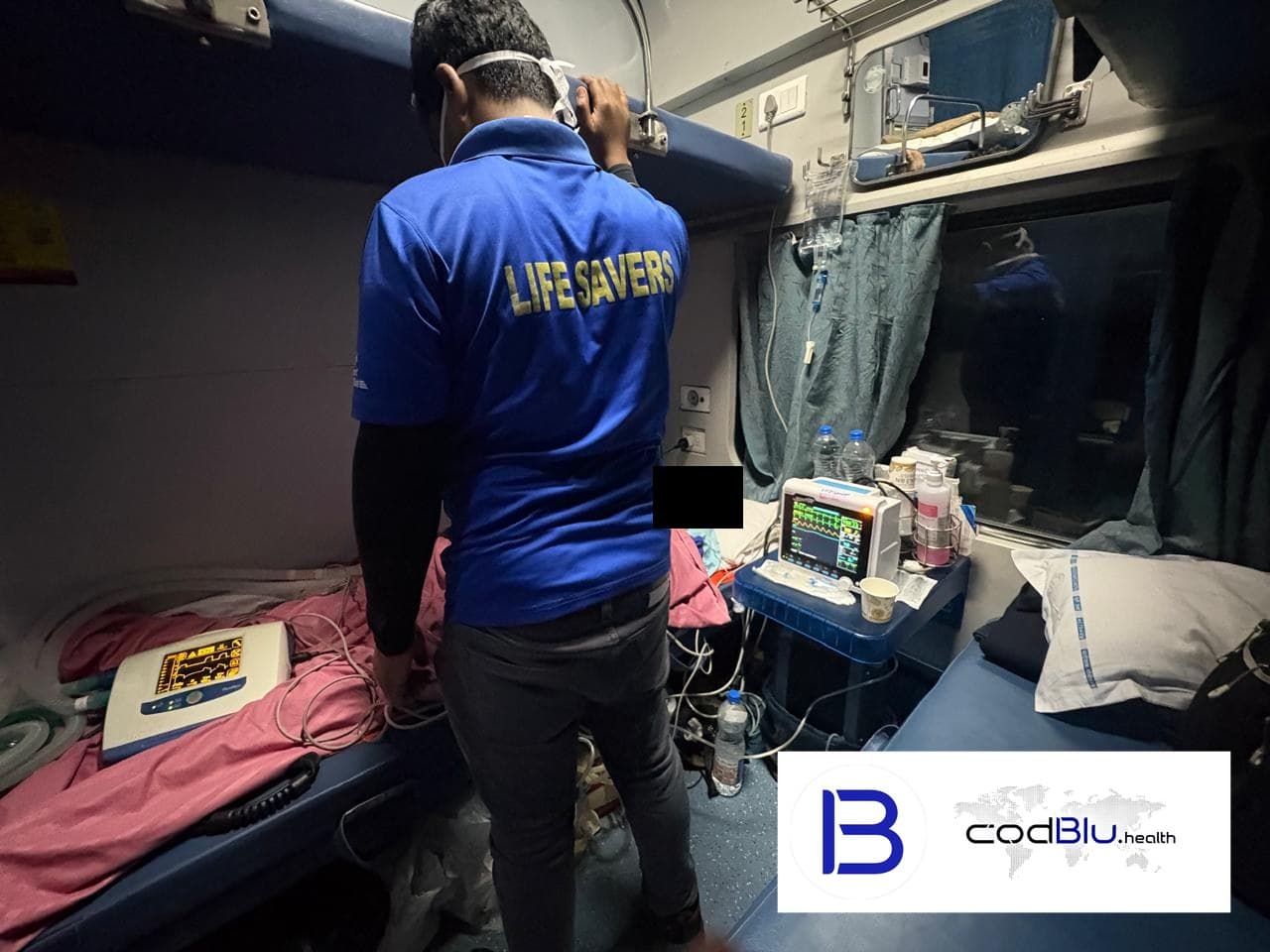
CodBlu Healthcare provided a rail ambulance service from Delhi to Guwahati for an 80-year-old man with stroke and a tracheostomy tube, accompanied by a critical care doctor and paramedic with ICU backup and a standby ventilator.
The patient was at his home in Delhi and needed to travel to his home in Guwahati. Air ambulance transport was beyond the family’s budget, so the journey was undertaken by rail with medical accompaniment.
His tracheostomy meant that airway care remained an important consideration during the relocation. A critical care doctor and one paramedic travelled with him, supported by full ICU backup, including a ventilator available if required.
The patient was successfully transferred to his home in Guwahati. This was a home-to-home medical journey, rather than a hospital admission transfer.
The case illustrates a question many families face: how to arrange long-distance travel when a patient still needs medical support and air transport is financially difficult.
Affordability and Medical Suitability in the Transport Decision
Cost was the reported reason for choosing rail over an air ambulance. However, financial feasibility is only one part of selecting a train ambulance service.
A longer journey requires assessment of the patient’s ability to tolerate travel, expected care needs and the resources available during transit. Tracheostomy status, breathing, neurological condition and the likelihood of needing additional support are relevant to that assessment.
An ICU train ambulance describes medically supported rail travel using an arranged equipment setup and accompanying professionals. It does not make a railway compartment equivalent to a hospital ICU, where additional staff, investigations and interventions are immediately available.
For this patient, the arrangement combined rail transport with a critical care doctor, a paramedic and ICU backup. The focus was a practical transfer that addressed ongoing medical needs within the family’s financial circumstances.
Add CodBlu Healthcare as a Preferred Source

Tracheostomy Care and Ventilator Backup
A tracheostomy tube provides an airway through an opening in the neck. Its presence does not automatically mean that a patient requires continuous mechanical ventilation.
A standby ventilator formed part of the ICU backup available during this journey.
General tracheostomy transport precautions include checking tube security, ensuring access to appropriate suction and preparing for tube obstruction or displacement. Established tracheostomy guidance highlights the importance of accessible emergency equipment, including suction supplies and spare tubes. [1]
Oxygen planning should match the patient’s assessed requirement and include contingency arrangements where clinically indicated.
Equipment readiness is particularly relevant during a long rail journey. A backup ventilator needs suitable connections, dependable power and a plan for use if the patient’s respiratory condition changes. Carrying the device is one part of preparedness; trained assessment and a response plan are also necessary.
What the Medical Team Needed to Consider
An elderly patient with stroke may have several care needs during prolonged movement. Depending on the individual’s condition, these can include assistance with positioning, secretion management, communication, nutrition and regular medication.
Stroke can cause swallowing difficulties, and swallowing impairment can increase aspiration risk. These are general assessment considerations rather than additional diagnoses attributed to this patient. [2]
For a tracheostomy patient, useful monitoring priorities include breathing pattern, oxygen saturation, pulse, blood pressure, airway patency and changes in responsiveness. Clinical observation also helps identify discomfort or problems with equipment.
The critical care doctor and paramedic accompanied the patient throughout the rail transfer. Their presence provided medical supervision and the capacity to assess evolving needs during travel.
A Home-to-Home Journey Includes More Than the Train
The Delhi-to-Guwahati relocation began and ended at residential addresses. A bed-to-bed train ambulance plan needs to consider how the patient will move between the home, station, train and destination.
Relevant practical checks include access for a stretcher, boarding arrangements, space for medical equipment and the transfer from the arrival station to the receiving home. The exact train, stations and travel duration are not specified in this account.
At the destination, readiness matters as much as arrival. For someone with a tracheostomy, the onward care plan should identify who will provide daily airway care, how essential supplies will be obtained and whom to contact if breathing problems develop.
CodBlu’s rail ambulance services page provides broader information about medically accompanied train journeys. Individual arrangements should reflect the patient’s clinical condition, route and support requirements.
Questions About This Delhi-to-Guwahati Case
Why was rail transport selected?
The family could not afford an air ambulance. The patient travelled by rail with a critical care doctor, a paramedic and ICU backup.
Was the patient continuously on a ventilator?
The confirmed arrangement was a tracheostomy tube with ventilator backup available. Continuous ventilation was not reported.
Where was the patient taken?
He was transferred from his home in Delhi to his home in Guwahati. The home-to-home transfer was successfully completed.
Clinical References
[1] St George’s University Hospitals NHS Foundation Trust. Tracheostomy guidelines: Emergency equipment.
[2] Newcastle Hospitals NHS Foundation Trust. Eating and drinking difficulties (dysphagia).
Need Emergency Ambulance?
CodBlu Healthcare operates 24x7 across India — air, rail & road.
Call 24x7: +91-9310864489